


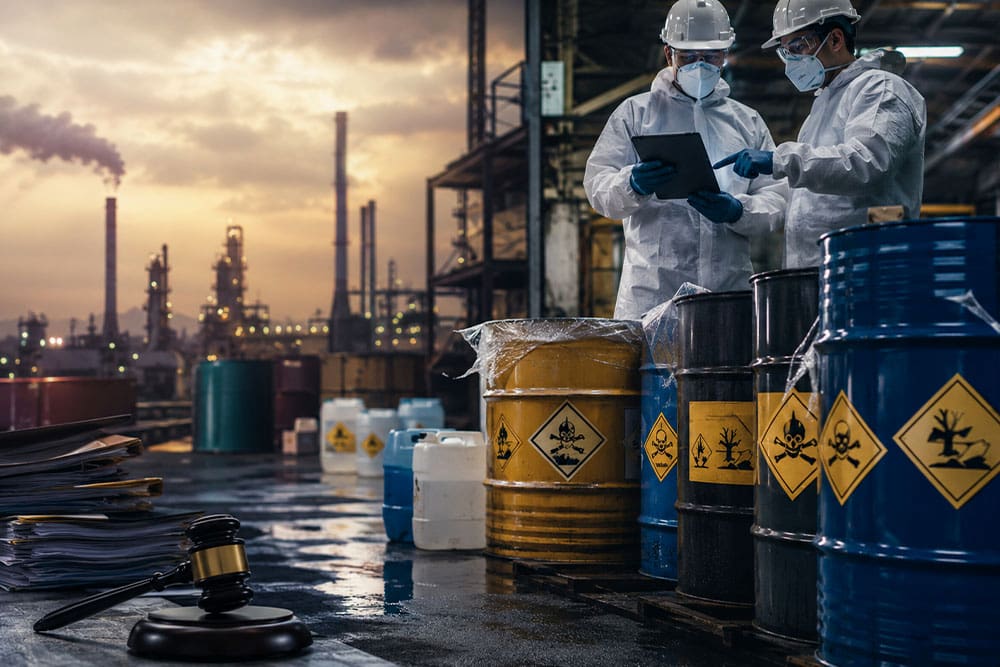
Let’s be completely honest for a second. Running a commercial facility, a manufacturing plant, or a healthcare hub that handles dangerous materials is an absolute high-wire act. You aren’t just managing staff and worrying about profit margins; you are actively holding back potential disasters every single day. One tiny oversight—a leaking drum, a misread label, or a structural failure—and you aren’t just facing a slap on the wrist. You’re looking at a full-blown operational crisis, massive fines, and a PR nightmare that could sink your brand.
The reality is that environmental management in these high-stakes environments requires a level of rigorous precision that most companies simply cannot maintain in-house. It’s too complex, and the laws change too fast. That’s exactly why smart businesses lean heavily on specialized external experts to handle the burden. Take HCI Environmental, for example. When things go wrong, or when a facility just needs ironclad daily management, they step in to provide complete, specialized solutions, including rapid, round-the-clock emergency chemical cleaning. They take on the heavy lifting—from 24/7 emergency chemical spill response and hazardous waste transportation and disposal, to thorough site decontamination and soil remediation. Their teams also handle the incredibly tricky stuff like asbestos, mold, and lead abatement, alongside regulated demolition and heavy-duty industrial cleaning. Ultimately, bringing in an expert partner is the only reliable way companies can maintain workplace safety, stay firmly in regulatory compliance, and uphold their environmental responsibility in high-risk situations without losing sleep.
The Harsh Realities of High-Risk Environmental Management
When we talk about environmental management, a lot of people picture planting trees or cutting down on office paper. But in the industrial and healthcare sectors, the conversation is drastically different. It’s about survival, safety, and keeping dangerous elements entirely contained.
It’s Far More Than “Taking Out the Trash”
Hazardous waste is a broad, intimidating category. We are talking about highly corrosive acids, incredibly flammable solvents, reactive chemicals that can explode if mixed incorrectly, and toxic biological byproducts. You can’t just put this stuff in a dumpster and call it a day.
Every single ounce of dangerous material generated by a facility has to be identified, categorized, stored, and managed according to a dizzying array of federal, state, and local laws. Agencies like the Environmental Protection Agency (EPA) and the Occupational Safety and Health Administration (OSHA) aren’t known for being lenient. If an inspector walks onto your site and finds mismanaged waste, the financial penalties can be staggering. But honestly, the fines are just the tip of the iceberg. The real damage comes from operations grinding to a halt while investigations take place, not to mention the potential harm caused to employees who are forced to work near improperly stored toxins.
Navigating the Nightmare: Emergency Response and Logistics
Even with the best safety protocols in the world, accidents happen. Equipment fails. Human error occurs. What separates a minor hiccup from a catastrophic event is entirely dependent on how quickly and effectively a business responds.
The 2 AM Call: Rapid Spill Response
Imagine it’s 2 AM on a Tuesday. A forklift operator misjudges a turn and pierces a 200-gallon tote of industrial solvent. The liquid is pooling fast, the fumes are building, and it’s inching closer to a floor drain that leads directly to the municipal sewer system. This is a nightmare scenario.
You do not have time to sit down and Google a solution. You need a highly trained HazMat team rolling up to your facility immediately. Rapid spill containment requires personnel who know exactly what protective gear to wear, what neutralizing agents to deploy, and how to physically barricade the spill before it causes permanent ecological damage. Having a partner on speed dial who offers 24/7 emergency response isn’t a luxury; it is a fundamental requirement of doing business in a hazardous industry.
The Legal Trap of “Cradle-to-Grave” Transportation
Here is a quirk of environmental law that catches a lot of business owners off guard: the concept of “cradle-to-grave” liability.
Basically, under federal regulations, if your facility generates hazardous waste, you own that waste forever. It doesn’t matter if you hire a guy with a truck to take it away. If that driver decides to illegally dump your chemical byproducts in a ditch three states over, the authorities are going to trace it right back to your company. You are on the hook for the cleanup and the fines.
This is why proper hazardous waste transportation and disposal services are so critical. You need a partner with a fleet of certified, specialized vehicles and a paper trail that is totally bulletproof. Professional disposal means tracking every single manifest so you know with 100% certainty that your waste was legally and permanently neutralized at a certified facility. It takes the liability completely off your shoulders.
Tearing Down and Cleaning Up: Specialized Services
Sometimes the environmental hazard isn’t a byproduct of what you do, but rather where you are doing it. Older facilities, neglected buildings, and heavily industrialized plots of land often harbor hidden dangers that require serious expertise to remove.
The Silent Threats: Asbestos, Lead, and Mold Abatement
If your business is operating out of or renovating an older building, you are likely sleeping with the enemy. For decades, materials like asbestos and lead-based paints were the industry standard in commercial construction. Furthermore, aging plumbing systems often lead to hidden water damage, spawning highly toxic black mold within the walls.
You cannot just send a maintenance crew in with sledgehammers to knock down an asbestos-lined wall. Disturbing these materials releases microscopic, deadly particulates into the air. Professional abatement is a highly technical process. It involves sealing off the entire area with heavy plastics, setting up negative air pressure machines so the dust can’t escape into other rooms, and sending in crews wearing full hazmat suits and respirators. Whether it’s lead, mold, or asbestos, professional abatement ensures the building is actually safe to breathe in before your staff returns to work.
Fixing the Earth: Soil Remediation and Decontamination
When chemicals spill outside, they don’t just sit on the pavement. They seep. They penetrate the soil and head straight for the groundwater. Soil contamination is a massive issue, particularly for companies looking to sell or redevelop industrial property.
Soil remediation is the intense process of undoing that deep-rooted damage. Depending on the severity of the contamination, environmental experts might have to literally excavate tons of toxic earth and haul it away. In other cases, they might use advanced bioremediation—introducing specific microbes into the ground that actually eat and neutralize the pollutants. Thorough site decontamination is the only way to ensure a piece of land is safe, legally compliant, and viable for future use.
Regulated Demolition and Industrial Deep Cleaning
Tearing down an old chemical plant or a medical laboratory isn’t like demolishing an old shopping mall. You can’t just swing a wrecking ball and hope for the best.
Regulated demolition requires a surgical approach. Before the structure even comes down, environmental teams have to sweep the building, flushing out hazardous residues trapped in old pipes, HVAC systems, and storage tanks. If they don’t, the demolition process will launch a cloud of toxic dust right into the local neighborhood.
Similarly, maintaining a functioning high-risk facility requires heavy-duty industrial cleaning. We aren’t talking about mops and buckets. This involves confined space entry to scrape out massive chemical storage silos, hydro-blasting hardened sludge off of manufacturing equipment, and using massive vacuum trucks to clear out industrial runoff. Routine deep cleaning prevents corrosive buildup, stops equipment from breaking down unexpectedly, and keeps the entire operation running safely and efficiently.
Why You Can’t Afford to Cut Corners
At the end of the day, managing hazardous waste properly costs money. But cutting corners in environmental management is a gamble that no business ever wins in the long run.
The True Cost of Non-Compliance
Regulators have zero sense of humor when it comes to environmental safety. Ignorance of the law is never accepted as an excuse. Trying to handle complex waste streams in-house to save a few bucks almost always results in compliance failures. And those failures lead to crushing fines, revoked operating licenses, and sometimes even criminal charges for corporate officers. Partnering with a specialized waste management firm acts as an insurance policy. They handle the labyrinth of EPA and Department of Transportation (DOT) regulations, manage the endless paperwork, and ensure your facility is always audit-ready.
Building Trust Through Environmental Responsibility
Beyond the legal threats, there is a very real business case for prioritizing environmental management. Today’s consumers, investors, and B2B partners care deeply about corporate sustainability. No one wants to do business with a company that pollutes the local river or puts its workers in danger. By investing in elite environmental services, ensuring rapid spill responses, and safely neutralizing your industrial footprint, you are sending a clear message to the market. You are showing that your brand is responsible, forward-thinking, and trustworthy.
Conclusion
Navigating the murky waters of environmental management and hazardous waste disposal is a massive, incredibly complex undertaking. The legal jargon alone is enough to make anyone’s head spin, and the physical risks to your employees and the environment are just too high to leave to chance. Whether you are dealing with daily chemical byproducts, staring down a massive facility renovation, or facing a sudden, terrifying chemical spill, hoping for the best is not a viable strategy.
By bringing in heavily trained specialists to manage the heavy lifting—from abatement and remediation to transportation and emergency response—businesses can finally breathe easier. Relying on professional environmental service providers ensures that your workforce stays safe, your local community remains protected, and your company stays firmly on the right side of the law. In the end, treating environmental responsibility as a core pillar of your business strategy isn’t just about avoiding disaster; it’s about building a stronger, safer, and more resilient company for the future.
